Choosing a professional hair curling iron supplier is not simply about finding a product with a good appearance or a competitive price. For beauty brands, retailers, distributors, and salon equipment companies, the supplier behind the product can have a direct impact on quality, customer satisfaction, and long-term business.
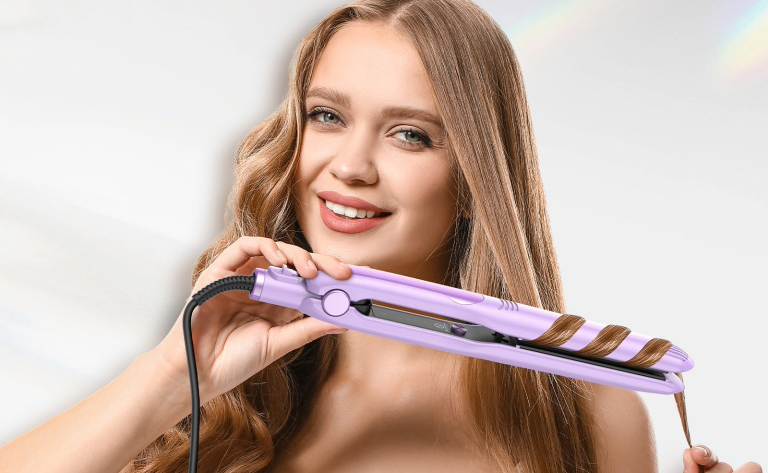
A professional hair curling iron needs to perform consistently. It should heat properly, offer suitable temperature control, feel comfortable in the hand, and remain reliable after repeated use. At the same time, brands often need more than a standard product. They may want custom colors, packaging, logos, specifications, or even changes to the product design.
This is why supplier selection deserves more attention than it often gets.
Start With Product Performance
The first thing buyers should look at is how the hair curling iron actually performs.
A professional user may use a curling iron many times throughout the day. If the temperature changes too much during operation or the tool takes too long to reach the desired heat, the styling experience can suffer. For this reason, buyers should pay attention to heating performance, temperature stability, heat-up time, and overall operating consistency. A good professional hair curling iron should provide predictable results rather than simply reaching a high temperature. The goal is not necessarily to make the tool hotter. The goal is to give users better control over the styling process.
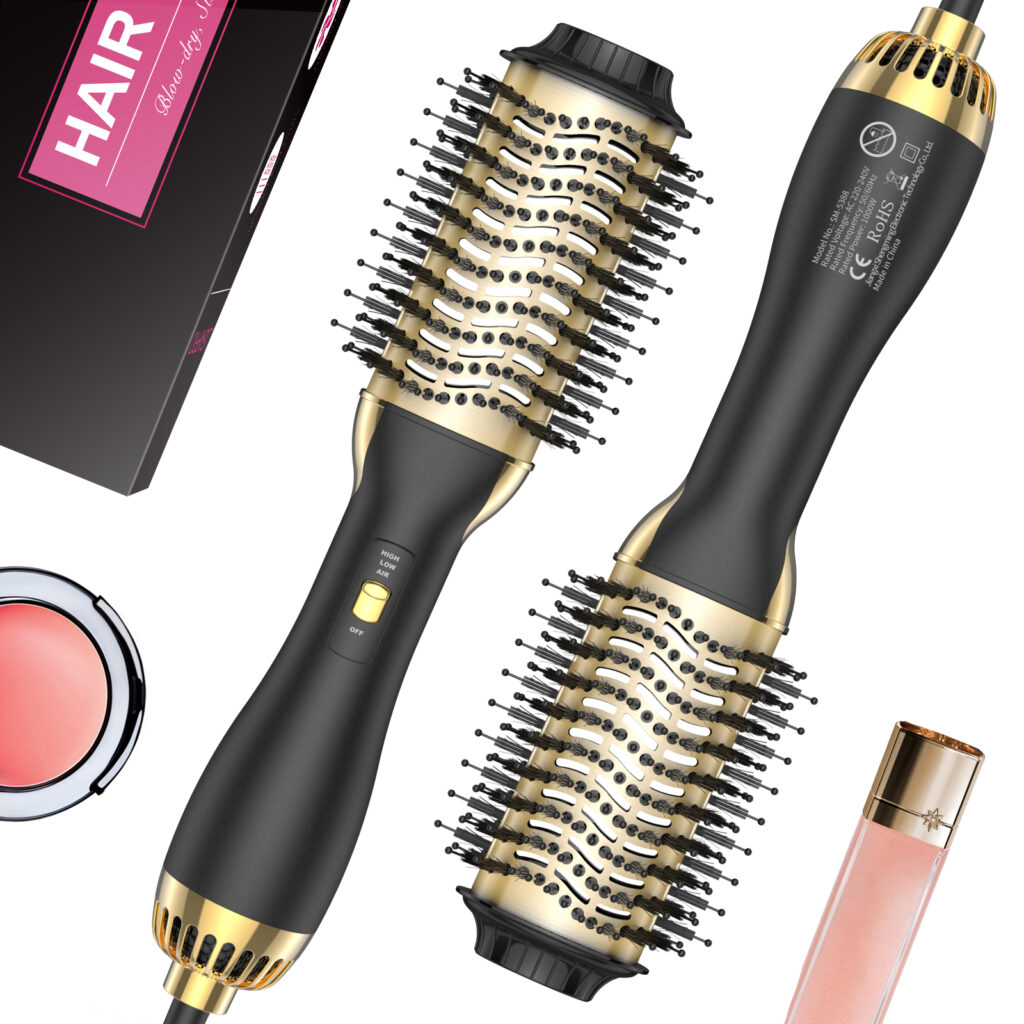
Why Does Temperature Control Matter?
Different hair types and styling techniques can require different heat levels.
Fine hair may need a lower temperature, while thicker or harder-to-style hair may require more heat. Professional stylists also work with different looks, so having practical temperature options can make the tool more versatile.
When evaluating a hair curling iron supplier, buyers should therefore ask how the heating system manages temperature and whether the available settings match the intended market.
Temperature control also affects product positioning. A basic curling iron and a professional styling tool may serve very different customers, even if their main function is similar.
Material and Barrel Design Can Affect the Styling Experience
The barrel is one of the most important parts of a curling iron.
Its size and shape influence the type of curls users can create, while the surface material can affect how hair moves across the barrel. Brands targeting professional stylists may need different barrel options depending on their product positioning. The choice of material also matters for durability and everyday handling. Buyers should understand what materials the supplier uses and how those materials perform under repeated heating and cooling.
For an OEM hair curling iron, these details are worth discussing early in product development. A small change in barrel size, surface treatment, or overall structure can change the way the finished product feels and performs.
A Comfortable Design Matters for Professional Users
A curling iron can have good technical specifications and still feel uncomfortable to use. Professional stylists may hold and operate styling tools for long periods. A heavy body, awkward handle, poorly positioned controls, or difficult-to-use clamp can make a noticeable difference during a busy working day.
Ergonomic design should therefore be part of the supplier evaluation process.
Buyers can look at the handle shape, weight distribution, control position, grip, cord design, and general balance of the tool. These details may not appear significant on a specification sheet, but they can strongly influence the real user experience.
Safety Should Not Be an Afterthought
Heat styling products naturally require careful attention to safety.
A professional hair curling iron should include appropriate safety considerations in its design and manufacturing process. Depending on the product and target market, buyers may need to discuss areas such as insulation, temperature control, electrical safety, and automatic shut-off functions.
The exact requirements can vary by market and product type, so brands should confirm the applicable standards and certification requirements before placing an order.
A capable professional hair curling iron manufacturer should be able to communicate clearly about these requirements rather than leaving buyers to discover them later in the development process.
Can the Supplier Support Customization?
For established beauty brands, a standard product is not always enough.
Packaging, color, logo placement, handle design, barrel specifications, and accessories can all influence how a product fits into a brand’s collection. Some companies may also want a particular appearance to match an existing product range.
This is where custom hair curling irons can offer more flexibility.
An experienced supplier should be able to explain which parts of the product can be customized and which changes may affect tooling, cost, minimum order quantity, or production time. Good customization is not about changing everything. It is about making the right changes without compromising product reliability.
OEM Capability Is About More Than Adding a Logo
There is a difference between putting a brand logo on an existing product and providing a genuine OEM solution.
With a simple private-label order, the buyer may only need branding and packaging changes. An OEM project can involve much more, including product specifications, materials, colors, structural details, packaging, and production requirements.
Brands considering an OEM hair curling iron supplier should ask about the supplier’s development process from the beginning.
Can the supplier work from drawings or samples? Can the team help improve a design? Can they manage tooling when necessary? Can they keep the same specifications consistent across large production runs?
These questions often tell buyers more about a supplier’s real capabilities than a product catalog does.
Production Capacity Matters When Orders Grow
A supplier may produce a good sample and still struggle with large-scale production.
This is an important point for brands planning long-term cooperation. The first order might be relatively small, but successful products can quickly require larger quantities.
Buyers should consider the supplier’s production capacity, quality control process, lead times, and ability to maintain consistent output.
A reliable hair curling iron manufacturer should have a production system that can support both initial orders and future growth.
Consistency becomes especially important when a brand sells across multiple markets. Customers expect the product they buy six months later to perform like the one they purchased today.
Don’t Judge a Supplier by Price Alone
Price is obviously important in B2B purchasing, but the lowest quotation does not always represent the lowest overall cost.
A cheaper product may require more quality checks, create higher return rates, or cause delays during production. Packaging problems and inconsistent components can also create additional work for the buyer.
Instead of comparing unit prices alone, brands should look at the full cost of working with the supplier.
That includes product quality, communication, customization, production stability, lead time, packaging, after-sales support, and the supplier’s ability to solve problems when they appear.
A slightly higher initial cost can make more sense if it provides a more dependable supply chain.
Communication Can Make or Break a Project
Product development rarely goes exactly according to the first discussion.
Specifications may change. Samples may need adjustment. Packaging may require another round of testing. Production schedules can also move depending on materials and order volume.
Clear communication helps keep these changes under control.
When evaluating a hair curling iron supplier, buyers should pay attention to how the supplier responds to technical questions, sample requests, customization discussions, and production concerns. A supplier that gives clear answers and raises potential problems early can save a brand considerable time later.
What Should Buyers Ask Before Placing an Order?
Before moving forward, buyers can prepare a basic checklist.
Ask about the heating system, temperature settings, barrel materials, available sizes, safety requirements, customization options, MOQ, sample process, production lead time, packaging, and quality control. It is also useful to explain the target market. A curling iron designed for professional salons may need a different balance of features and durability from one designed for home users. The more clearly the buyer communicates the intended application, the easier it becomes for the supplier to recommend an appropriate solution.
Why Manufacturer Experience Matters
Experience does not automatically guarantee a good product, but it can make the development process much smoother.
An experienced professional hair curling iron manufacturer is more likely to understand common production challenges, material selection, component matching, tooling requirements, and quality control.
This knowledge becomes particularly valuable when a brand wants to develop something beyond a standard catalog product. For buyers, the ideal supplier is not simply a factory that can manufacture the product. It is a partner that understands what the product needs to achieve in the market.
Huiyang’s Approach to Hair Styling Product Development
Huiyang focuses on developing and manufacturing beauty and personal care products for different market needs. For brands sourcing a professional hair curling iron, the supplier relationship should go beyond basic production. Product specifications, design requirements, branding, packaging, and target-market expectations all need to be considered during development. This approach allows buyers to work toward a finished product that fits their own positioning rather than simply selecting an off-the-shelf model. For growing beauty brands, that flexibility can be particularly useful when building a consistent product line.
A Good Supplier Should Support the Brand’s Next Step
Finding the right professional hair curling iron supplier is not only about solving today’s purchasing needs. A good supplier should also be able to support future product development. As a brand grows, it may introduce new barrel sizes, different designs, updated packaging, or other styling tools. Working with a manufacturer that understands customization and production development can make those future projects easier to manage. The relationship becomes more valuable when both sides can communicate clearly and work toward the same product goals.
Final Thoughts
Choosing a professional hair curling iron supplier requires a broader view than comparing product prices. Buyers should look at heating performance, temperature control, materials, ergonomic design, safety, customization, OEM capability, production capacity, and communication. These factors all contribute to the final quality of the product and the reliability of the supply relationship.
For beauty brands and distributors, the right hair curling iron manufacturer can provide more than manufacturing capacity. It can help turn a product idea into a practical, market-ready styling tool. Huiyang provides a foundation for this kind of cooperation, giving brands the opportunity to develop hair styling products around their own market and product requirements. In the end, the best supplier is not necessarily the one offering the lowest quotation. It is the one that can consistently deliver the product quality, flexibility, and support your brand needs to grow.