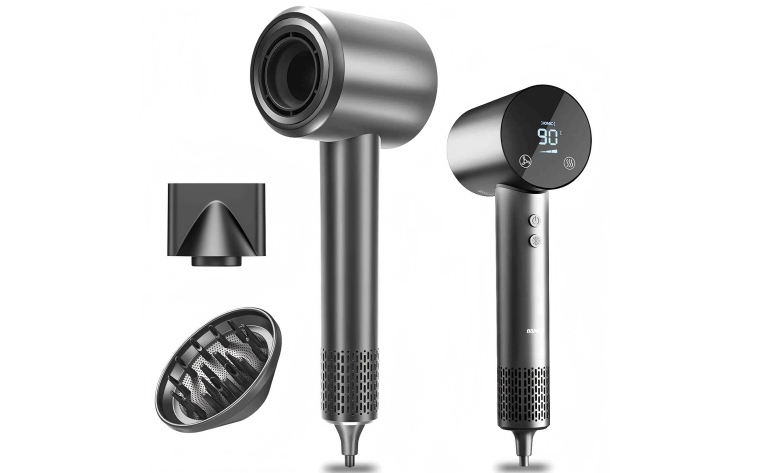
Choosing a professional hair curling iron supplier is not simply a matter of comparing prices and product photos. For brands, distributors, and professional beauty businesses, the more important question is whether a supplier can consistently deliver the performance, quality, and product support required by the market.
A curling iron may look like a relatively simple styling tool, but its performance depends on several components working together. Heating speed, temperature stability, barrel design, handle ergonomics, electrical safety, and production consistency can all affect the final user experience.
For this reason, finding a reliable professional hair curling iron supplier requires looking beyond the finished product.
Consistent Heating Is the Starting Point
A professional curling iron needs to provide stable heat throughout the styling process. If the temperature changes too much during use, users may experience inconsistent curling results or need to repeatedly pass the tool through the same section of hair.
The heating system therefore plays a central role in product performance. A well-designed professional hair curling iron should reach its working temperature efficiently and maintain controlled heat during normal operation.
Temperature range also matters. Different hair types and styling requirements may call for different heat levels, so precise temperature control can make the product more versatile. For manufacturers, this means the heating element, temperature sensor, control system, and internal structure need to be considered as one system rather than separate components.
Barrel Design Directly Affects Styling Results
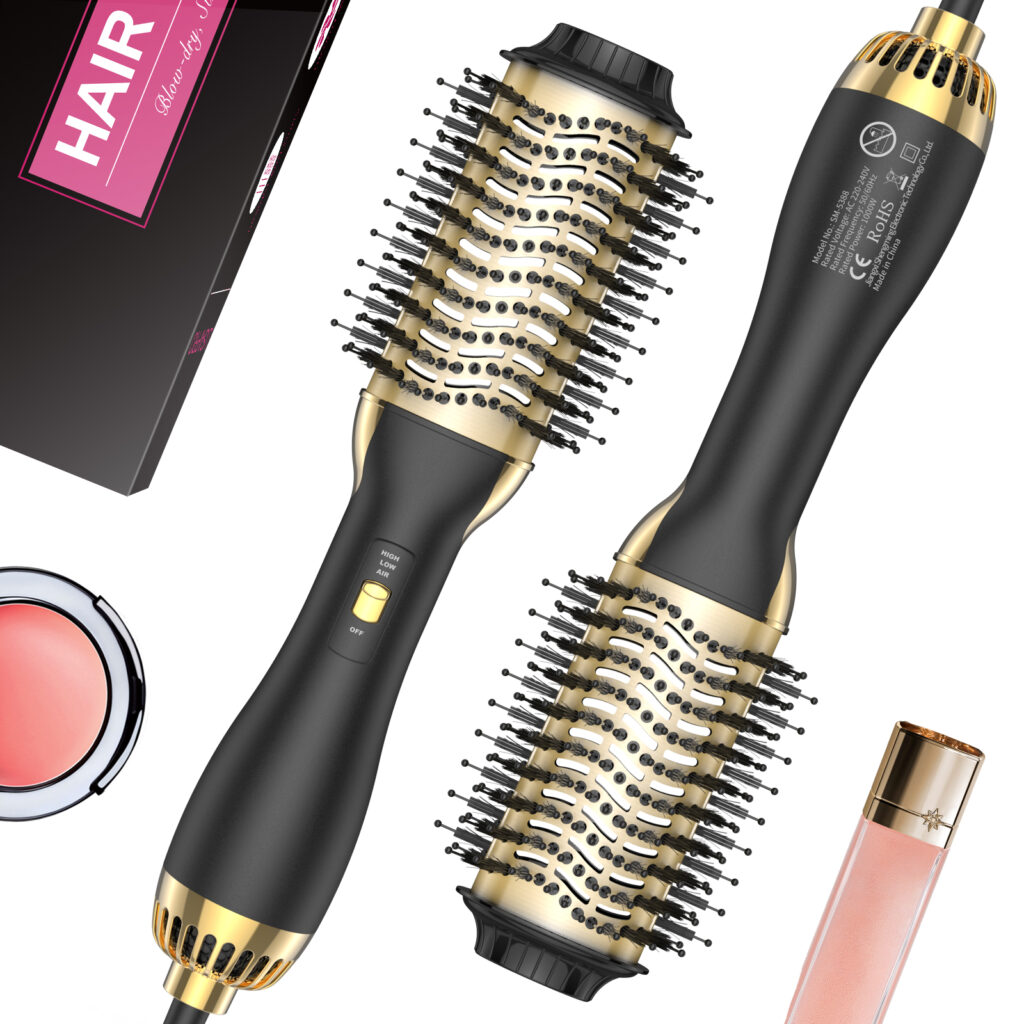
The barrel is another important part of a curling iron because it determines how the hair interacts with the heated surface.
Different barrel diameters can create different curl patterns. A smaller barrel is generally associated with tighter curls, while a larger barrel can produce looser waves. The surface material and finish can also influence how smoothly the hair moves around the barrel.
A reliable supplier should therefore be able to offer different configurations according to the target market instead of treating one barrel design as suitable for every user.
For brands developing their own product line, this flexibility becomes particularly useful when creating different models for different styling needs.
Temperature Control Should Be Practical
More temperature settings do not automatically make a curling iron better.
What matters is whether users can select and maintain a suitable temperature without unnecessary complexity. A professional product should provide predictable control so that users can adjust heat according to hair type and styling requirements.
For an electric hair curling iron manufacturer, temperature control also involves safety. The system needs to manage heating performance while preventing unnecessary temperature fluctuations or overheating during operation. This is one area where engineering quality is often more important than the number of features shown on the product packaging.
Ergonomics Matter During Repeated Use
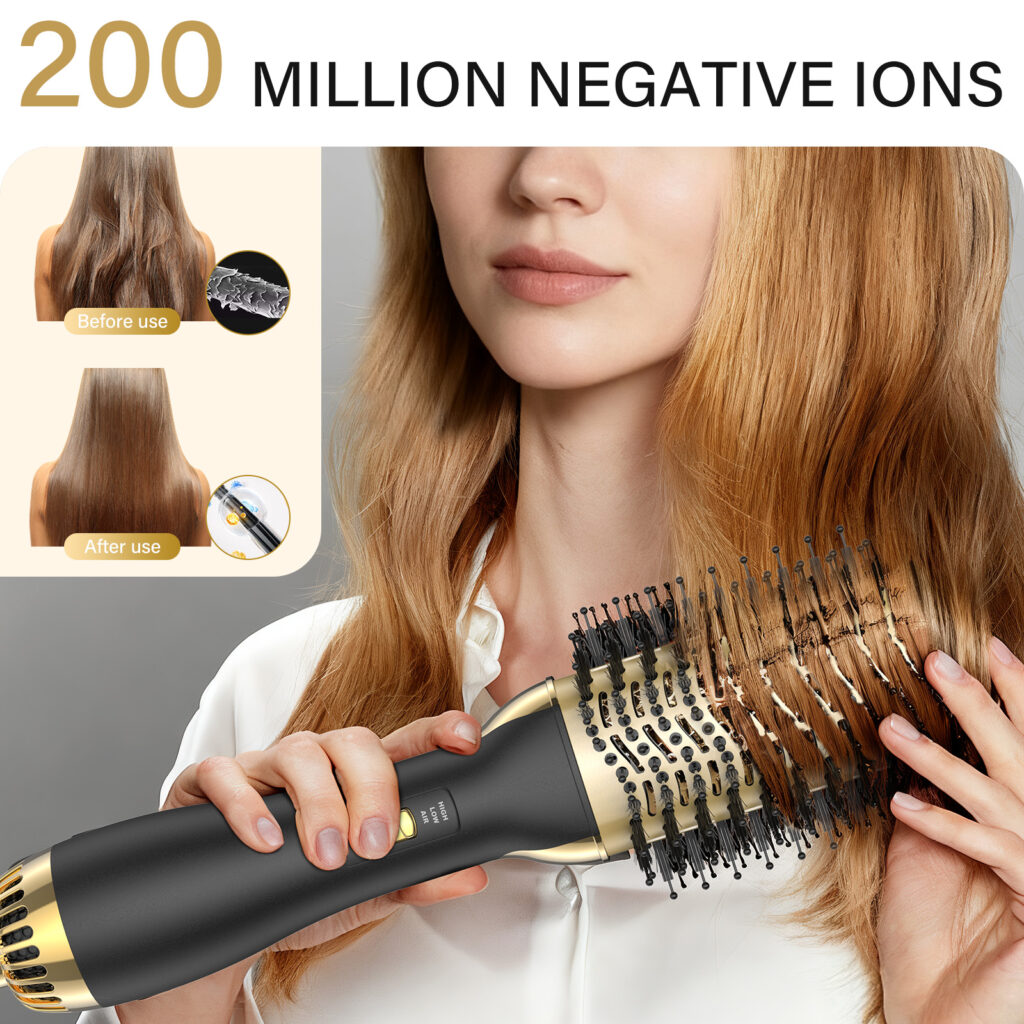
Professional users may handle styling tools for extended periods, which makes weight, grip, button placement, cable position, and overall balance important considerations.
A curling iron that performs well but feels uncomfortable after repeated use may not be suitable for professional environments.
The handle should provide a secure grip without requiring excessive force. Controls should be easy to reach without interfering with normal operation, and the overall balance should make it easier to rotate and position the barrel during styling.
These details may appear small, but they can have a noticeable impact on daily usability.
Safety Cannot Be Separated From Performance
A heated styling tool operates at elevated temperatures and is often used close to the user’s skin and hair. Safety therefore needs to be integrated into the product from the beginning.
Depending on the design and target market, safety considerations can include temperature regulation, overheating protection, electrical insulation, automatic shut-off functions, heat-resistant materials, and structural protection.
A professional hair curling iron supplier should also understand the compliance requirements of the markets where the product will be sold.
For brands, this is particularly important because regulatory compliance is not something that can be solved simply by changing the packaging after production.
Manufacturing Consistency Matters More Than a Sample
A product sample can demonstrate what a curling iron is capable of doing, but it does not necessarily show how consistently the supplier can reproduce that quality in mass production.
This is where manufacturing and quality-control capabilities become important.
A reliable hair curling iron manufacturer should have defined production standards and inspection procedures covering critical components and finished products. Heating performance, electrical safety, assembly quality, appearance, and functional operation all need appropriate control.
For buyers placing recurring orders, consistency from batch to batch is often more important than a particularly impressive first sample.
OEM and ODM Capability Gives Brands More Options
Many beauty brands do not want to sell an identical product that can be found under multiple brand names. They may require customized colors, barrel sizes, handles, controls, packaging, logos, or other product details.
This is where OEM and ODM capability becomes valuable.
An OEM hair curling iron supplier can manufacture products according to a brand’s specifications, while an ODM partner may contribute more extensively to product design and development.
The right partner should be able to connect customization requirements with actual manufacturing capabilities. A supplier that promises extensive customization but lacks the engineering or production infrastructure to support it can create delays and quality problems later in the project.
What Should Buyers Evaluate?
Before selecting a professional hair curling iron supplier, buyers can evaluate several practical areas:
| Evaluation Area | What to Consider |
|---|---|
| Heating system | Heating speed and temperature stability |
| Temperature control | Available settings and control accuracy |
| Barrel design | Diameter, surface material, and styling requirements |
| Ergonomics | Weight, grip, balance, and control placement |
| Safety | Overheating protection and applicable certifications |
| Quality control | Inspection standards and production consistency |
| OEM/ODM | Ability to support product customization |
| Production capability | Capacity, lead time, and supply stability |
| Technical support | Communication and product development support |
Looking at these factors together provides a more realistic picture of a supplier’s capabilities than comparing unit prices alone.
Why Huiyang Focuses on More Than the Finished Product
Huiyang approaches professional hair curling iron manufacturing from the perspective of product performance and practical use.
For Huiyang, a successful styling tool needs to combine controlled heating, functional design, comfortable handling, and reliable manufacturing quality. These elements work together to determine whether a product performs consistently after it moves from development into everyday use.
For brands looking for professional hair curling iron OEM or ODM solutions, this manufacturing approach can also provide greater flexibility when developing products for different markets, styling preferences, and brand positioning.
The goal is not simply to produce another curling iron. It is to build a product that can maintain consistent performance while meeting the requirements of the brand and its customers.
A Reliable Supplier Should Think Beyond the First Order
Price will always be part of a purchasing decision, but it should not be the only consideration.
A professional hair curling iron supplier needs to demonstrate that it can control the important parts of the product, maintain consistent quality, support customization when required, and provide stable production over time.
For brands, this means evaluating the supplier as a potential long-term manufacturing partner rather than simply as a source of individual products. A reliable supplier is ultimately one that can turn a product specification into a consistent finished product — and continue doing so as the business grows.