Fine or thin hair can be tricky to style. Too much heat may leave it feeling dry, while strong airflow can make it difficult to achieve a smooth, natural-looking finish. Some people also find that their hair loses volume shortly after blow-drying, especially when using heavy styling products or the wrong drying technique.
This raises a common question: is an ion hair dryer suitable for fine or thin hair?
The answer is yes, in many cases. An ionic hair dryer can help reduce static and improve the appearance of frizz, leaving hair looking smoother and more manageable. However, the result depends on more than ionic technology alone. Heat settings, airflow, nozzle design, and how the dryer is used all play an important role.
For anyone choosing a hair dryer, Huiyang recommends looking at the complete styling experience rather than focusing on a single feature.
1. How Does an Ion Hair Dryer Work on Fine or Thin Hair?
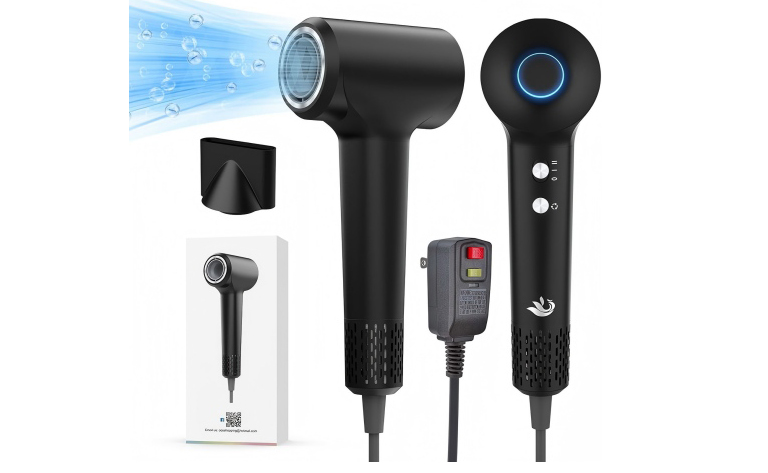
An ion hair dryer releases negatively charged ions during operation. These ions interact with the charge that can build up on hair, particularly when hair is dry or exposed to friction. This may help reduce static and make individual strands easier to manage.
For people with fine hair, this can be useful because flyaways and static are often more noticeable when the hair lacks weight. A smoother finish can make hair easier to comb and style without requiring as much manual effort.
However, an ion hair dryer does not physically make each strand thicker. Fine hair refers to the diameter of individual strands, while thin hair usually describes the amount of hair on the scalp. Ionic technology does not change either of these characteristics. Its main benefit is improved manageability and appearance. The actual result will vary depending on hair condition, humidity, the dryer’s design, and the styling method.

2. What Are the Benefits of an Ionic Hair Dryer for Fine Hair?
An ionic hair dryer can offer several practical benefits, especially for people who regularly deal with static, flyaways, or uneven-looking hair.
Helps Reduce Static and Flyaways
Fine hair can become staticky after brushing, wearing hats, or drying in a low-humidity environment. When static builds up, strands may separate and stick out in different directions.
An ionic hair dryer may help reduce this effect, making the hair easier to control during styling. This is particularly helpful when aiming for a neat everyday hairstyle.
Creates a Smoother Appearance
Fine hair can look untidy when individual strands become frizzy or difficult to manage. Ionic technology may help reduce visible frizz, allowing hair to look smoother and more polished.
For people who prefer a sleek finish, this can make a noticeable difference. However, those who want maximum volume may prefer to apply ionic drying selectively rather than focusing on smoothing the entire head of hair.
Can Support a More Efficient Drying Routine
Drying time depends on the dryer’s wattage, airflow, nozzle design, hair length, and the amount of water remaining in the hair. Some ionic hair dryers are designed to combine ionic technology with effective airflow, which can help users achieve their desired style more efficiently.
A shorter drying routine may reduce the time hair spends exposed to heat, provided the user chooses a suitable temperature and maintains a reasonable distance from the hair.
It is important to remember that ionic technology alone does not guarantee faster drying. The overall performance of the hair dryer matters more than the label on the product.
3. Can an Ion Hair Dryer Make Fine Hair Look Flat?
This is one of the main concerns for people with fine or thin hair.
Fine hair often has less natural volume than thicker hair, and a very smooth finish can sometimes make it appear flatter. Because ionic technology is commonly associated with reducing frizz and smoothing the hair surface, the result may not suit everyone who wants a fuller look.
That does not mean an ion hair dryer is unsuitable for fine hair. It simply means the styling method matters.
For better volume, try these techniques:
Start with the roots. Lift the roots gently with your fingers or a vent brush while directing airflow toward them.
Use moderate airflow. Extremely strong airflow can make fine strands difficult to control, particularly when styling shorter hair.
Avoid excessive smoothing. Focus ionic drying on areas that need help with static or frizz rather than repeatedly directing heat over the entire head.
Choose lightweight styling products. Heavy creams and oils can weigh down fine hair and make it appear flatter.
Finish with a cool setting if available. A cool-air finish can help complete the styling routine without adding more heat.
The goal is to balance smoothness with lift. A good hair dryer should make it easier to achieve the style you want, whether that means a sleek finish or more volume at the roots.

4. What Features Should You Look for in an Ion Hair Dryer for Thin Hair?
When choosing an ion hair dryer for fine or thin hair, consider the following features rather than relying on ionic technology alone.
Adjustable Heat Settings
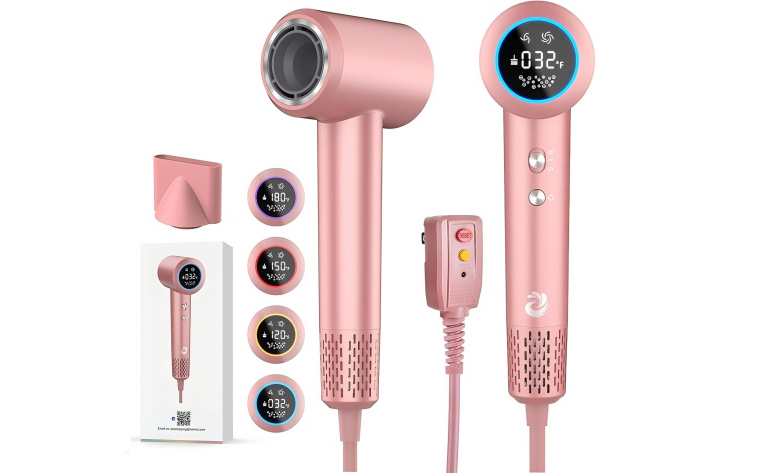
Temperature control is particularly important for fine hair because delicate strands can be affected by excessive heat. A dryer with multiple heat settings makes it easier to choose a suitable temperature for everyday styling.
Start with a lower or moderate setting and increase the heat only when necessary. Keep the dryer moving instead of concentrating heat on one section for too long.
Adjustable Airflow
Fine hair may be difficult to style when airflow is too strong. Multiple speed settings allow you to select a level that dries the hair effectively without creating unnecessary tangles or disrupting the shape you are trying to achieve.
A Concentrator Nozzle
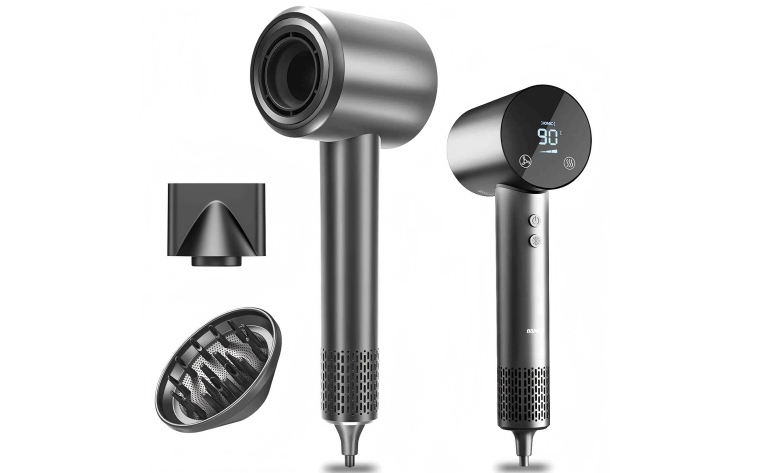
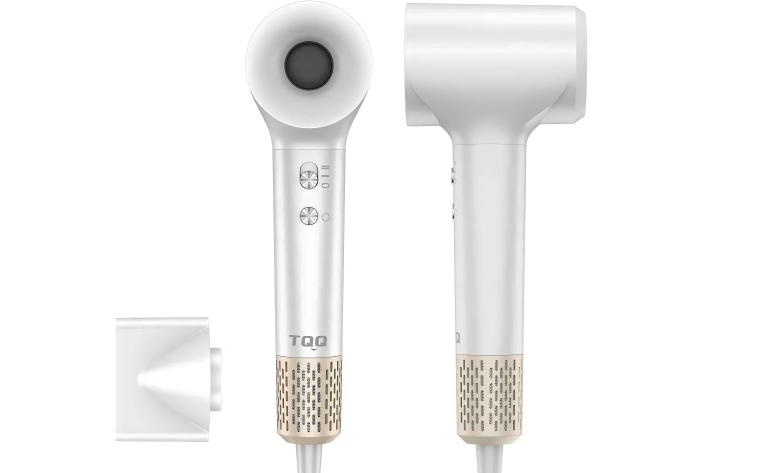
A concentrator nozzle directs airflow toward a specific section of hair. This can be useful for smoothing the lengths, shaping the ends, or lifting the roots with a brush.
Used correctly, it helps you control where the airflow goes instead of blowing hair in every direction.
Lightweight and Comfortable Design
A lightweight hair dryer is easier to handle when styling carefully around the roots or working through several sections. A comfortable grip and accessible controls can also make the daily routine less tiring.
Suitable Power and Airflow Performance
Higher wattage does not automatically mean better results. The relationship between motor performance, airflow, heat distribution, and temperature control is more important.
When comparing products, consider whether the dryer provides consistent airflow and practical heat settings for your hair type.
For shoppers exploring Huiyang hair dryer options, these are useful points to consider alongside ionic functionality, product design, and the styling requirements of the intended user.

5. How Should You Use an Ion Hair Dryer to Protect Fine Hair?
Even a well-designed hair dryer can contribute to dryness or breakage if it is used carelessly. A few simple adjustments can make everyday drying more manageable.
Step 1: Remove excess water first. Gently blot the hair with a soft towel instead of rubbing it vigorously. This helps remove surface moisture before heat styling.
Step 2: Apply a heat protectant. Choose a product suitable for your hair type and follow its instructions. Fine hair generally benefits from lightweight formulas that do not leave a heavy coating.
Step 3: Use a moderate temperature. Begin with a lower or medium heat setting. Very high heat is rarely necessary for the entire drying process.
Step 4: Keep a suitable distance. Avoid placing the nozzle directly against your hair or scalp. Keep the dryer moving and follow the manufacturer’s recommended distance.
Step 5: Dry in sections. Work through manageable sections rather than repeatedly directing hot air at the same area. If you want more volume, lift the roots gently while drying.
Step 6: Finish according to your styling goal. For a smoother appearance, use a concentrator nozzle to direct airflow down the hair shaft. For more volume, focus on root lift and avoid over-smoothing the lengths.
These techniques help manage heat exposure and make it easier to achieve a consistent result without relying on high temperatures.
6. Is an Ion Hair Dryer Better Than a Regular Hair Dryer for Fine Hair?
The better choice depends on your priorities.
A regular hair dryer can work perfectly well for fine hair if it offers good temperature control and suitable airflow. An ionic hair dryer adds a feature that may help reduce static and improve smoothness, but it is not automatically superior in every situation.
| Feature | Ion Hair Dryer | Regular Hair Dryer |
|---|---|---|
| Static control | May help reduce static | Depends on design and hair conditions |
| Smoothness | May help reduce visible frizz | Depends on airflow, heat, and technique |
| Volume | Can be achieved with suitable styling | Can also provide good root lift |
| Heat protection | Depends on temperature control and use | Depends on temperature control and use |
| Drying speed | Depends on overall dryer performance | Depends on overall dryer performance |
If your main concern is flyaways and static, an ionic model may be worth considering. If you are more concerned about volume, prioritize adjustable airflow, suitable heat settings, and a design that allows you to lift the roots easily.
For many users, the most practical choice is a hair dryer that combines useful ionic functionality with precise control over heat and airflow.

7. Is a Huiyang Ion Hair Dryer a Good Choice for Fine or Thin Hair?
When evaluating a Huiyang ion hair dryer, start by considering your hair’s main styling challenges. Do you struggle with static? Does your hair become frizzy after drying? Or is your biggest concern maintaining volume throughout the day?
If smoothness and manageability are your priorities, ionic functionality may be a useful feature. If your hair tends to fall flat, adjustable heat and speed settings, comfortable handling, and suitable styling attachments deserve equal attention.
It is also important to compare the specifications of the individual model. Features such as ionic output, motor performance, temperature settings, airflow options, and included accessories can vary between products. These details should be confirmed in the relevant product specifications rather than assumed to be available across every model.
For retailers, distributors, and other buyers evaluating hair dryers, Huiyang product specifications can be assessed against the needs of the intended market. For individual users, the same principle applies: choose a dryer based on how you style your hair and which features make that routine easier.
Conclusion
An ion hair dryer can be a good choice for fine or thin hair, particularly if static, flyaways, and frizz are recurring problems. Ionic technology may help hair look smoother and feel easier to manage, but it does not increase strand thickness or guarantee additional volume.
The best results come from combining the right hair dryer with an appropriate drying technique. Adjustable heat, controllable airflow, a comfortable design, and suitable styling attachments all matter when choosing a model for fine hair.
When comparing Huiyang hair dryer options, look beyond the ionic feature alone. Consider your hair type, preferred style, and daily routine to find a product that balances smoothness, volume, and practical heat control.