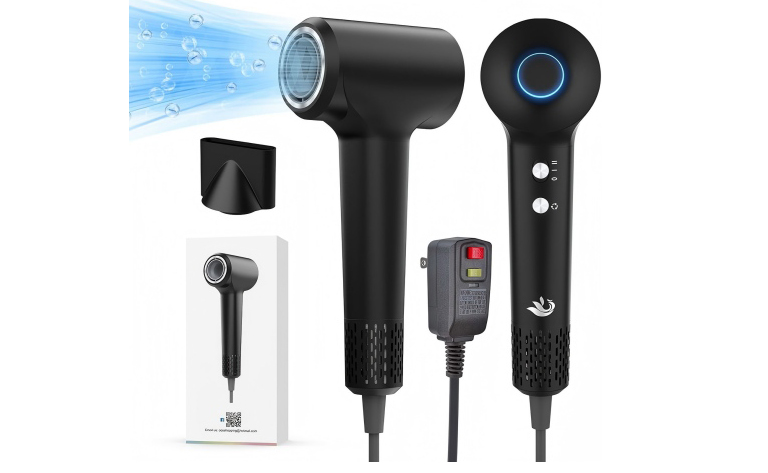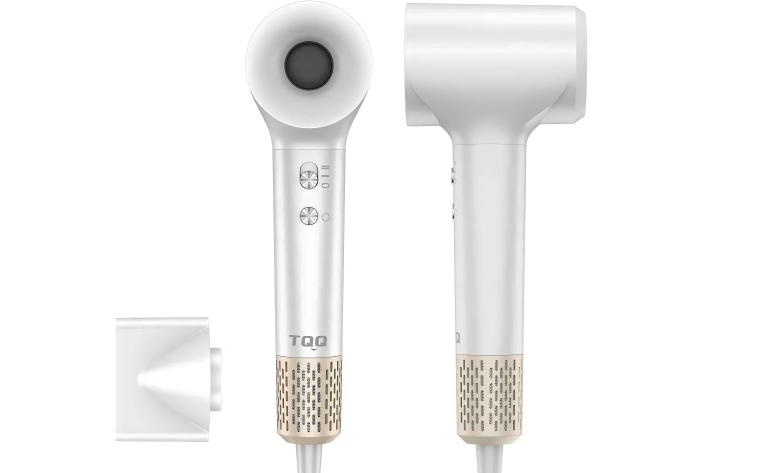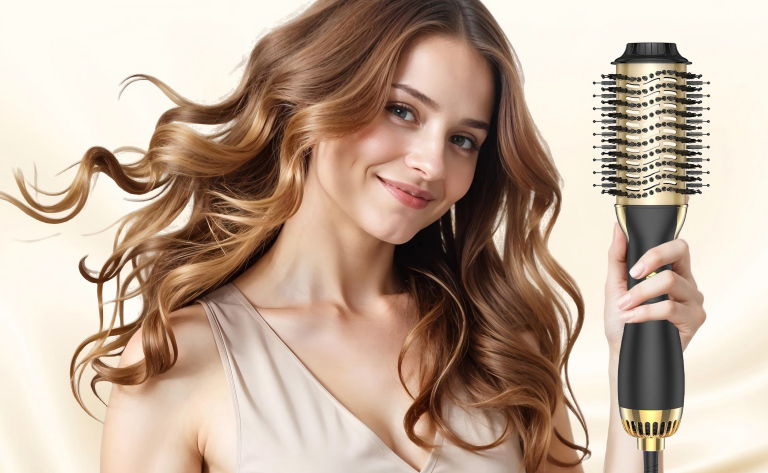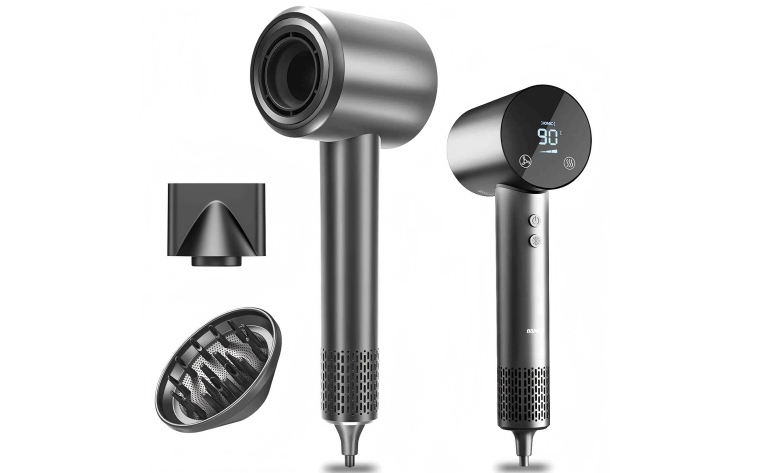
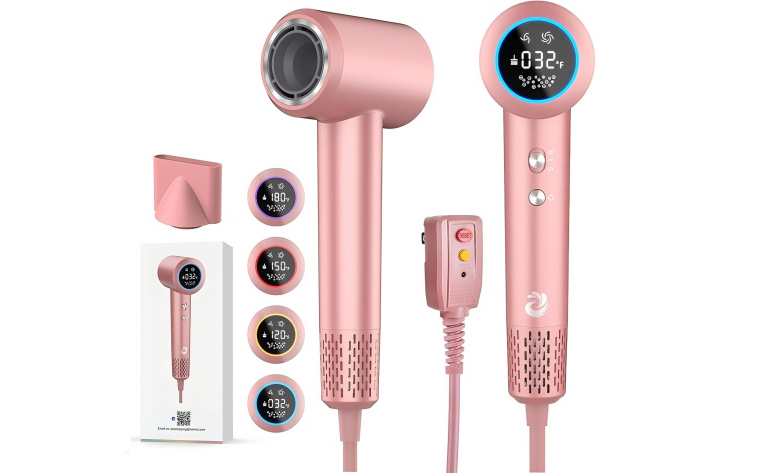
A smooth, polished hairstyle often depends on more than the products applied after washing. The way hair is dried also plays an important role. Excessive heat, uneven airflow, and static electricity can leave hair looking frizzy, dull, or difficult to manage. This is one reason why ionic hair dryers have become an important product category in the personal care market.
For consumers, an ionic hair dryer offers a convenient way to improve the appearance and manageability of hair during everyday styling. For beauty brands and distributors, understanding how ionic technology works also helps when evaluating product features and selecting a suitable manufacturing partner.
So, how do ionic hair dryers help improve hair smoothness, and what should buyers consider when choosing one?
1. What Is an Ionic Hair Dryer?
An ionic hair dryer is designed to release negatively charged ions into the airflow during drying. These ions interact with the electrical charges that can build up on hair, particularly when hair is exposed to friction during brushing and blow-drying.
Ordinary blow-drying can sometimes leave hair feeling rough or looking flyaway, especially in dry environments. An ionic hair dryer is designed to help reduce static electricity, making individual strands easier to manage.
Unlike a conventional hair dryer that primarily focuses on heat and airflow, an ionic hair dryer combines these functions with ion-generating technology. Depending on the model, it may also include adjustable temperature settings, multiple airflow speeds, and additional attachments for different styling needs.
However, ionic technology is not a replacement for proper temperature control. The overall drying experience still depends on the motor, airflow design, heat distribution, and how the dryer is used.

2. How Do Ionic Hair Dryers Help Improve Hair Smoothness?
The main benefit of an ionic hair dryer is not simply that it dries hair. It is designed to help reduce some of the common problems associated with blow-drying, particularly static, frizz, and a rough-looking finish.
2.1 Reducing Static Electricity
Static electricity is one of the main reasons hair becomes difficult to control after drying. Friction from towels, brushes, clothing, and airflow can contribute to an accumulation of electrical charge, causing strands to repel one another and create a flyaway appearance.
An ionic hair dryer releases negatively charged ions to help neutralize positive charges that may accumulate on the hair. This can reduce static and help hair lie more neatly during styling.
For people who frequently experience flyaways, this feature can make everyday grooming easier. The effect may be particularly noticeable in dry indoor environments, although actual results vary with hair condition and surrounding humidity.
2.2 Helping Control Frizz
Frizz can develop for several reasons, including humidity, hair damage, dryness, and friction. When the outer cuticle layer becomes rough or raised, hair may appear less uniform and more difficult to style.
By helping reduce static and improving strand manageability, an ionic hair dryer may contribute to a smoother-looking finish. Hair can appear more controlled, with fewer strands sticking out after drying.
It is important to distinguish between improving appearance and repairing hair. Ionic technology does not permanently reverse existing damage or eliminate frizz in every situation. Hair type, styling technique, and the condition of the hair all influence the final result.
2.3 Supporting a Sleeker Finish
Smoothness is not only about the absence of frizz. It is also about how evenly the hair sits after drying.
When static is reduced and airflow is properly controlled, hair may be easier to brush into place. This can help users achieve a neater finish without spending as much time managing flyaways.
A well-designed ionic hair dryer should therefore combine ion technology with consistent airflow and appropriate temperature settings. The ion function is one part of the overall styling system rather than the only factor responsible for the result.
2.4 Helping Hair Retain a Healthy Appearance
Excessive heat can contribute to dryness, roughness, and damage over time. Although ionic technology may improve manageability, it should not be treated as a guarantee against heat damage.
For everyday use, adjustable temperature settings are just as important as the ionic function. Users should select a suitable heat level, keep the dryer moving, and avoid concentrating hot air on one section for too long.
For brands developing hair care appliances, combining ionic technology with thoughtful thermal control can create a more practical product proposition than relying on a single headline feature.

3. Ionic Hair Dryer vs. Conventional Hair Dryer
The difference between an ionic hair dryer and a conventional model lies mainly in the additional ion-generating function. Both types use heated airflow to remove moisture, but their styling characteristics may differ.
Conventional hair dryer
Uses airflow and heat to dry wet hair.
Performance depends on motor power, airflow, and temperature control.
May leave hair with more static or flyaways under certain conditions.
Can suit users who primarily need a straightforward drying appliance.
Ionic hair dryer
Combines heated airflow with negative-ion technology.
Is designed to help reduce static electricity during drying.
May help improve frizz control and the appearance of smoothness.
Can be suitable for users who want both drying efficiency and more manageable styling.
The actual difference depends on the quality of each product. A well-designed conventional hair dryer may outperform a poorly engineered ionic model in drying speed, comfort, or durability. Buyers should evaluate the complete product rather than assuming that the word “ionic” automatically means better performance.
4. What Features Matter When Choosing an Ionic Hair Dryer?
For consumers and businesses sourcing hair care appliances, several product characteristics deserve attention.
4.1 Airflow and Drying Efficiency
Airflow determines how effectively moisture is removed from the hair. A suitable motor and well-designed internal air channel can help deliver consistent airflow without making the appliance unnecessarily difficult to handle.
High-speed models may appeal to users who want shorter drying times, but higher airflow alone does not guarantee a better styling experience. Noise, weight, temperature stability, and ease of control should also be considered.
4.2 Adjustable Temperature and Speed
Different hair types and styling routines require different settings. Fine or damaged hair may benefit from lower heat, while thick hair may require more airflow or additional drying time.
Multiple heat and speed settings allow users to adapt the drying process instead of relying on one fixed operating mode. A cool-air function can also be useful for finishing a style.
4.3 Ergonomic Design and Weight
A hair dryer should be comfortable to hold, especially when used for several minutes at a time. Handle shape, button placement, weight distribution, and cord design can all affect the user experience.
For travel products and lightweight personal care appliances, compact construction may also be an important selling point. Manufacturers need to balance portability with motor performance, durability, and heat management.
4.4 Safety and Quality Control
Electrical safety, thermal protection, material selection, and manufacturing consistency are essential considerations for hair dryers. Buyers should review applicable safety requirements for their target markets and confirm that the specific product meets those requirements.
For private-label and OEM projects, quality control should cover more than the finished appearance. Relevant checks may include electrical performance, temperature behavior, component reliability, and consistency between production batches.

5. Which Hair Types May Benefit from Ionic Technology?
An ionic hair dryer can be useful for different hair types, but the results are not identical for everyone.
Frizz-prone hair: Reducing static and improving manageability may help create a more controlled finish.
Thick hair: A combination of suitable airflow and ionic technology may make drying and styling easier, particularly when the dryer provides sufficient power and adjustable settings.
Fine hair: Lower temperature settings and careful airflow control are important. Ionic technology may help with flyaways, but the preferred result depends on the user’s styling goals.
Curly or wavy hair: An ionic hair dryer may help manage frizz, but users who want to preserve their natural curl pattern should also consider airflow intensity and whether a compatible diffuser is available.
Dry or chemically treated hair: Gentle heat settings and appropriate hair care practices remain essential. Ionic technology may improve the appearance of smoothness, but it cannot restore damaged hair to its original condition.
The best choice is therefore not necessarily the model with the most advertised features. It is the one that matches the user’s hair type, daily routine, and expectations.
6. Why Are Ionic Hair Dryers Worth Considering for Beauty Brands?
As consumers pay more attention to styling results and ease of use, ionic technology provides manufacturers and beauty brands with another way to differentiate their hair care appliances.
For distributors, retailers, and private-label brands, the opportunity lies in matching product specifications with a clearly defined customer group. Some buyers may prioritize fast drying, while others care more about frizz control, compact design, or professional styling performance.
When evaluating an ionic hair dryer manufacturer, B2B buyers should consider several factors:
Product development: Can the manufacturer support different product configurations and design requirements?
Performance specifications: Are motor performance, airflow, temperature settings, and ionic functions clearly documented?
Quality management: Are production processes and product inspections consistent?
Customization options: Can the supplier accommodate suitable branding, packaging, and product configurations?
Market requirements: Can the manufacturer provide the documentation and testing support required for the intended sales market?
These considerations help buyers evaluate a product beyond its appearance or marketing claims. They also provide a more reliable basis for comparing suppliers and planning a long-term product line.

7. Huiyang: Supporting Hair Dryer Product Development
For brands exploring ionic hair dryers and other personal care appliances, Huiyang provides a brand reference for discussing product requirements, intended applications, and potential customization needs.
When developing a hair dryer for a particular market, it is useful to define the target customer before selecting the final configuration. A product intended for everyday home use may prioritize ease of operation and comfortable handling, while a professional-oriented model may require different performance and durability considerations.
For OEM or private-label projects, buyers should prepare clear specifications covering the desired functions, appearance, packaging, target market, and expected order quantity. These details help establish whether a proposed product is suitable for the intended positioning.
Rather than choosing a hair dryer based on one feature alone, brands should assess ionic technology alongside airflow, temperature control, ergonomics, safety, and manufacturing quality. This approach supports a more balanced product offering and helps set realistic expectations for end users.
8. Final Thoughts
So, how do ionic hair dryers help improve hair smoothness? Their primary advantage is the ability to help reduce static electricity, control flyaways, and make hair easier to manage during blow-drying. Depending on the product design and the user’s hair condition, these benefits may contribute to a smoother-looking finish.
However, the overall result depends on more than ion technology. Airflow, temperature regulation, product design, and appropriate use all influence drying performance and hair appearance.
For consumers, the most suitable ionic hair dryer is one that meets their styling needs without relying on excessive heat. For brands and distributors, choosing the right ionic hair dryer supplier means evaluating the complete product, its quality standards, and its suitability for the target market.
With a clear understanding of these factors, businesses can make more informed sourcing decisions and develop hair care products that offer practical value to their customers.