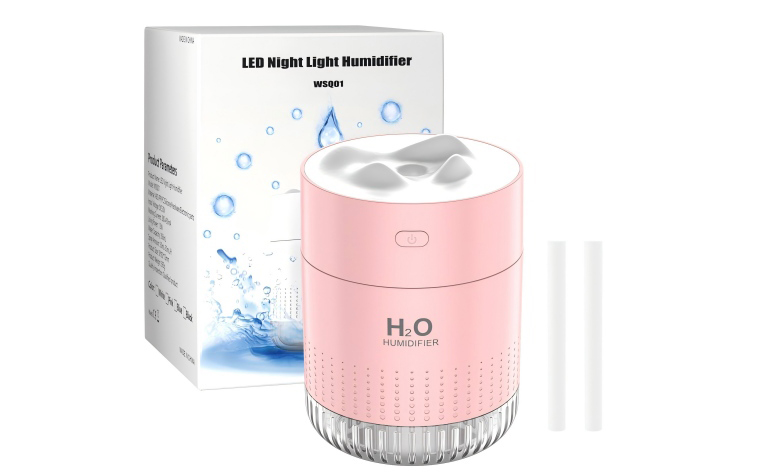

A portable mini humidifier can be useful on a desk, beside a bed, or in a small personal space. However, when the mist becomes weak, uneven, or disappears altogether, the device may not work as expected.
Before replacing a humidifier, it is worth checking a few simple things. Low water levels, a dry or clogged wick, a blocked mist outlet, and an unstable power supply can all affect how some portable models operate. Understanding these common issues can help users restore normal operation and identify when a component needs attention.
For brands and distributors, these problems also highlight the design and quality considerations that matter when sourcing a portable mini humidifier.
1. Check the Water Level First
Insufficient water is one of the first things to check when a mini humidifier is not producing mist. Many compact humidifiers stop spraying when the water level becomes too low, while some models may continue running briefly but produce less visible mist.
Switch off the device and check the water tank. Refill it to the recommended level if necessary, but avoid filling beyond the maximum line, as overfilling may cause leakage or interfere with normal operation. The humidifier should also stand upright on a stable, level surface.
If the mist output improves after refilling, monitor the device during its next use. If the problem returns quickly, check the wick, mist outlet, and power supply instead of repeatedly adding water without identifying the cause.

2. Make Sure the Cotton Wick Is Fully Saturated
Many USB-powered mini humidifiers use a cotton wick to draw water toward the atomizing component. If the wick remains dry, the device may light up and appear to be working while producing little or no mist. This can happen even when the tank contains enough water.
For models that use a cotton wick, follow these steps:
Turn off the humidifier and disconnect its power source.
Remove the wick according to the manufacturer’s instructions.
Soak the wick thoroughly in clean water until it is fully saturated.
Reinstall the wick in the correct position, making sure any required spring remains properly seated.
Reassemble the unit and test the mist function.
Some new wicks need soaking before their first use. A wick that has become clogged, deformed, or worn may also require replacement. Not every portable mini humidifier uses a cotton wick, so always follow the instructions for the specific model rather than removing components that are not designed to be replaced.
3. Clean the Mist Outlet and Atomizing Components
Over time, residue can collect around the mist outlet or on the atomizing surface. This buildup may interfere with normal mist production, particularly when the humidifier operates frequently or receives insufficient cleaning.
If your portable mini humidifier produces weak mist, turn it off, disconnect the power, and empty the tank before cleaning. Use a soft cloth or cotton swab to remove accessible residue around the outlet, and follow the manufacturer’s instructions for cleaning the atomizing component.
Avoid sharp tools, abrasive brushes, and excessive force, as these can damage delicate surfaces. Do not immerse the electrical base in water unless the manufacturer explicitly permits it. If proper cleaning does not restore mist output, the atomizer or another internal component may need inspection.

4. Check the USB Cable and Power Source
Some portable humidifiers rely on a USB cable and a compatible power adapter or USB port. If the power source cannot meet the device’s requirements, the humidifier may operate inconsistently or stop working.
Inspect the cable and connector for visible damage, then make sure the connection is secure. If necessary, test another compatible power source that meets the manufacturer’s specifications. Do not assume every USB port or adapter supplies the power required by every humidifier; check the rated input voltage and current in the product manual first.
If the humidifier has a built-in battery, check its charge level as well. Low battery power may affect operation or trigger an automatic shutdown, depending on the model.
For manufacturers, reliable power design matters from the beginning. Cable quality, connector selection, power requirements, and operating stability all influence the user’s experience.
5. Use the Recommended Water and Avoid Unapproved Additives
The recommended water type depends on the humidifier’s design. Some models with cotton wicks specify tap water, while others may recommend distilled or demineralized water to limit mineral deposits. There is no single recommendation that applies to every portable humidifier, so check the product manual and follow the instructions for the exact model.
The same principle applies to essential oils, fragrances, and other additives. Unless the manufacturer specifically states that the device supports them, do not add these substances to the water tank. Unapproved additives can leave residue, clog components, or damage parts designed for water only.
A humidifier intended for ordinary water should not automatically be treated as an aroma diffuser. Using the recommended water and keeping the tank clean can help prevent avoidable maintenance problems.
6. Check the Mist Mode and Automatic Shutoff
Some portable mini humidifiers offer continuous and intermittent mist modes. Intermittent operation may appear to be reduced output because the device pauses between spraying periods. Before assuming something has gone wrong, check which mode is active and whether the selected setting is designed to produce continuous mist.
Automatic shutoff can cause a similar situation. Depending on the model, the humidifier may stop when the water runs low, the battery becomes depleted, or a preset operating period ends. If the device stops unexpectedly, consult the manual before restarting it.
Clear controls and easy-to-understand status indicators can help users distinguish normal operation from a fault. These details are also worth considering when selecting or developing a portable humidifier for retail markets.

7. Replace Worn Consumables Before Replacing the Whole Device
A weak mist stream does not always mean the entire humidifier has failed. On wick-based models, the cotton filter may become clogged or lose its ability to draw water effectively. If soaking and reinstalling it do not restore normal output, check whether the manufacturer recommends replacing it.
For other designs, reduced output may point to residue on the atomizer, a damaged component, or another issue that requires professional inspection. Before ordering replacement parts, confirm that they are compatible with the exact model. Wick dimensions, spring arrangements, and internal components can vary between products, even when two humidifiers look similar.
If routine maintenance does not resolve the problem, stop using the device if you notice water entering electrical areas, unusual heat, a burning smell, or visible damage. Contact the supplier or manufacturer for guidance rather than opening sealed electrical components yourself.
8. What Should Manufacturers Consider When Designing a Portable Mini Humidifier?
Low mist output is not just a maintenance issue. For a portable mini humidifier manufacturer, it can also reveal areas where product design and quality control deserve attention. A product intended for everyday use should make routine maintenance straightforward and help users understand how to refill the tank, clean the mist outlet, replace consumable parts where applicable, and recognize when the device needs attention.
Several design considerations deserve particular attention:
Consistent water delivery: For wick-based models, the wick holder and related components should maintain proper water contact during normal operation.
Accessible maintenance: The tank, mist outlet, and user-serviceable parts should be easy to maintain without encouraging users to dismantle electrical components.
Reliable power supply: The cable, connector, power input, and control circuit should match the product’s operating requirements.
Clear instructions: Water recommendations, cleaning methods, wick replacement, and automatic shutoff behavior should be explained in the user manual.
Product validation: Manufacturers should test mist output under defined conditions and verify operating consistency, leakage resistance, and relevant protection functions.
These details can affect customer satisfaction, product returns, and after-sales support. For brands and distributors, evaluating them during sample testing can provide a clearer picture of product suitability before a larger order.

Portable Mini Humidifier Solutions from Huiyang
For businesses sourcing compact humidification products, the selection process should go beyond appearance and basic functionality. Water delivery, mist consistency, power requirements, maintenance access, and product instructions all deserve attention.
Huiyang can be considered by buyers exploring portable mini humidifier solutions. When evaluating a specific model, distributors and OEM buyers should confirm the product specifications, mist output, tank capacity, power configuration, operating modes, and customization options directly with the supplier.
For private-label projects, it is also useful to discuss packaging, product documentation, replacement parts, and the testing requirements of the intended market. A well-designed portable humidifier should be easy to operate, straightforward to maintain, and consistent under its specified operating conditions.
Final Thoughts
When a portable mini humidifier produces less mist than expected, start with the basics: check the water level, confirm that the wick is fully saturated if the model uses one, clean the mist outlet, inspect the power connection, and verify the active spray mode.
The correct solution depends on the humidifier’s design, so always follow the manufacturer’s instructions. If routine maintenance does not restore mist output, the device may need a replacement component or technical inspection.
For manufacturers and distributors, these common user problems also provide useful lessons for product development. Reliable water delivery, accessible maintenance, compatible power components, and clear instructions all contribute to a better portable mini humidifier experience.