
A rechargeable heating pad needs to do more than generate heat. It should deliver consistent warmth, respond predictably to user settings, and avoid uncomfortable temperature changes during use. These details become especially important for wearable products designed to provide warmth around the lower abdomen during menstruation.
For manufacturers, temperature control is not simply another product feature. It affects heating performance, user comfort, battery management, and the safety of the finished device.
When developing a rechargeable period heat pad, brands need to consider how the heating element, temperature sensor, control circuit, and protective functions work together. A well-designed system should provide suitable warmth without relying on guesswork or requiring users to constantly adjust the device.
For Huiyang and its OEM/ODM customers, understanding these design considerations can help guide product development, sample evaluation, and quality testing.
1. Consistent Heat Makes Everyday Use More Comfortable
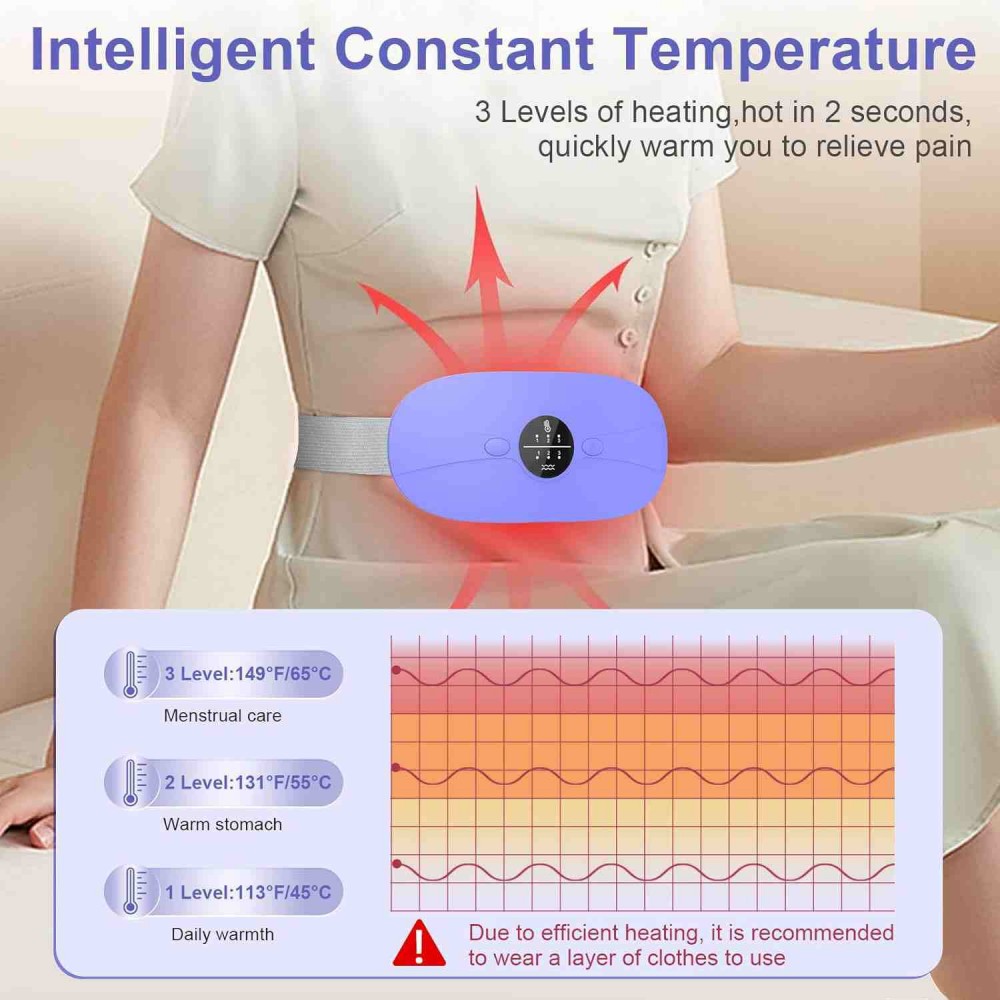
A heating pad should provide a predictable level of warmth rather than alternate between feeling too hot and barely warm. Large temperature fluctuations can make a product less comfortable and may encourage users to adjust the settings repeatedly.
A rechargeable heating pad with temperature control allows the device to regulate heat according to its design and operating conditions. Depending on the product, this may involve preset temperature levels, sensor-based feedback, or an electronic controller that adjusts power supplied to the heating element.
The goal is to maintain an appropriate temperature range throughout normal use. The control system must account for factors such as battery charge, the surrounding environment, contact with clothing, and how the product fits against the body.
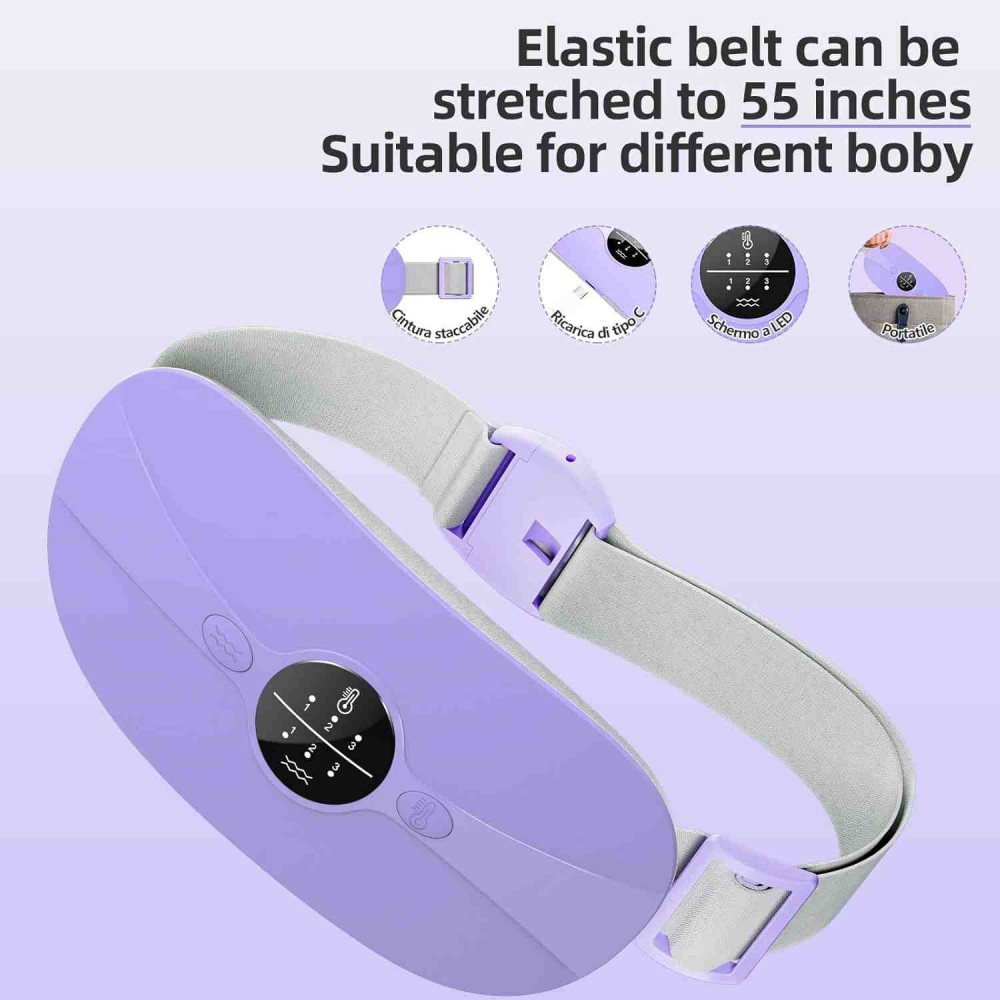
For a wearable menstrual heating pad, consistent performance is particularly important because users may wear the product while sitting, resting, or moving around the home. The finished design should deliver predictable warmth without making the user manage the temperature continuously.
2. Why Temperature Control Matters in a Rechargeable Period Heat Pad
Menstrual heating products are designed for direct personal use, so temperature selection deserves careful attention. A setting that feels comfortable to one person may feel different to another, depending on skin sensitivity, clothing, contact pressure, and the duration of use.
A rechargeable period heat pad should therefore provide clear operating instructions and temperature settings appropriate to its intended application. The highest setting should not automatically be treated as the best option, and users should be able to understand the difference between available settings.
Manufacturers also need to consider where the heat is delivered. A heating element may produce different temperatures across its surface if the layout, material contact, or control strategy is inadequate. Localized hot spots can create discomfort even when the average surface temperature appears acceptable.
A thoughtful design considers the temperature distribution across the usable heating area, not just the reading from a single point. Testing should examine representative contact conditions and identify areas that may become excessively hot during normal operation.
3. Temperature Sensors and Controllers Work Together
Temperature control depends on more than the heating element itself. Sensors and electronic control components help the device respond to changes during operation.
A sensor can monitor temperature at a selected location, while the control circuit uses that information to regulate heating output. The exact arrangement depends on the product architecture, including the number and placement of sensors and the type of control logic used.
For a rechargeable menstrual heating pad, sensor placement matters because temperature can vary across the heating surface. A sensor positioned too far from a local hot spot may not detect that area quickly enough. Engineers should consider sensor location alongside the heating element layout, insulation, surface materials, and contact conditions.
Manufacturers should also verify how the controller behaves when readings fall outside the expected range. Depending on the design, the device may reduce heating power, stop heating, or activate another protective response. These details should be confirmed through engineering tests rather than assumed from the presence of a temperature sensor alone.
4. Overheat Protection Is Essential to Product Design
Temperature control and overheat protection serve related but different purposes. Temperature control regulates normal operation, while protective functions help prevent the device from continuing to heat when an abnormal condition occurs.
A rechargeable heating pad with overheat protection may use sensor-based control, independent thermal protection, current monitoring, or a combination of methods. The actual protection system varies by model and should be documented in the product specifications.
For wearable heating products, protection design should address foreseeable conditions such as prolonged operation, restricted heat dissipation, sensor faults, and abnormal electrical behavior. Engineers also need to consider what happens if a control component fails.
No single protective feature guarantees that a heating pad is safe under every condition. A reliable design combines suitable operating limits, effective control logic, protective components, clear instructions, and testing of the finished product.
For brands sourcing rechargeable heat pads, asking about the protection architecture and available test documentation is more useful than relying on a general claim that the product is safe.
5. Temperature Control Also Affects Battery Performance
Rechargeable heating pads depend on a battery to supply power to the heating element. The electrical energy required changes with the power level and how long the device remains active.
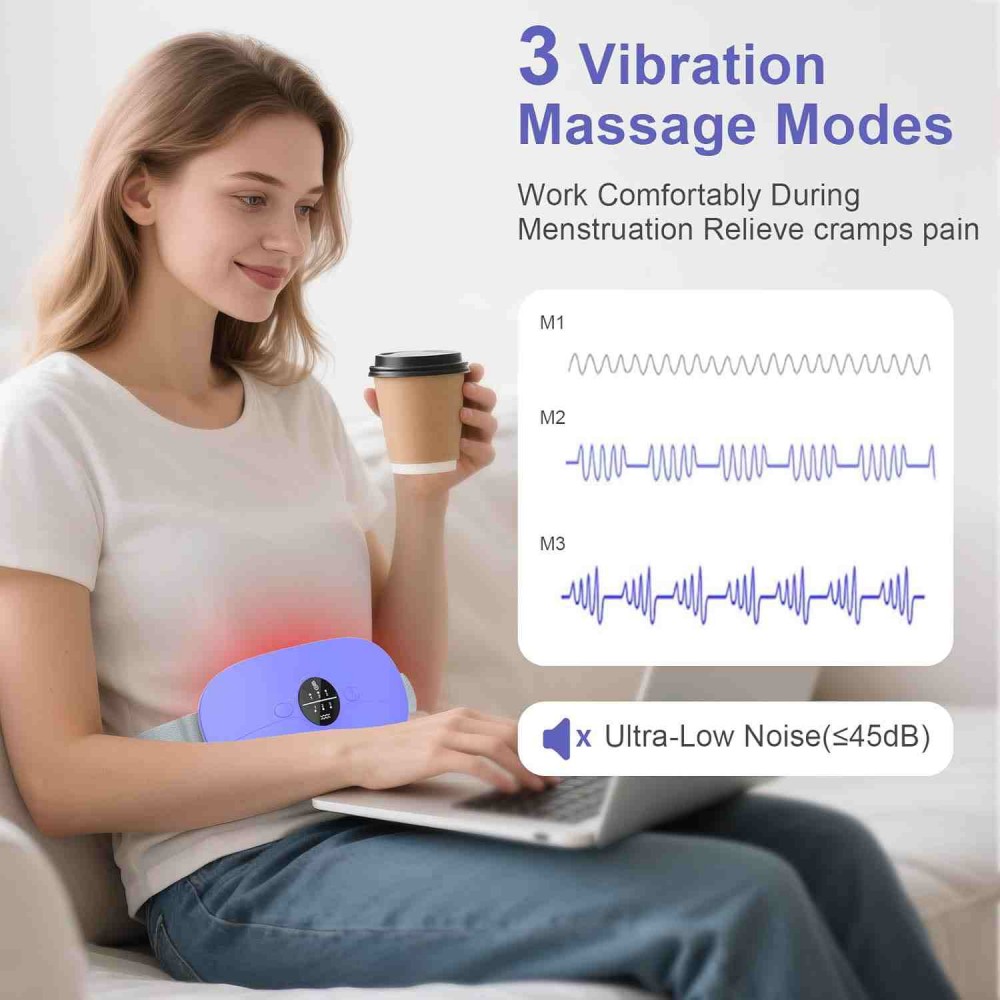
Higher heating output generally requires more power, which can shorten runtime if the battery capacity remains unchanged. Temperature control can help the device manage heating demand according to its design, but it does not eliminate the energy required to generate heat.
For manufacturers developing a rechargeable period heat pad, battery capacity and heating performance should be evaluated together. A battery that provides sufficient energy for one temperature setting may deliver a different runtime at another setting.
The control system also needs to work within the battery’s electrical limits. Charging requirements, discharge protection, current demand, and temperature conditions should be considered during product design.
Rather than promising a fixed runtime for every user, manufacturers should test operating time under defined conditions and explain the factors that affect actual performance.
6. Heating Materials and Product Structure Influence Temperature Distribution
Even a well-configured controller cannot compensate for every weakness in the physical design. The heating element, insulating layers, outer fabric, and overall structure influence how heat spreads across the product.
If the heating element sits unevenly or the surrounding materials distribute heat poorly, some areas may become warmer than others. Excessive insulation can also change how heat accumulates, depending on the construction and operating conditions.
A wearable menstrual heating pad needs a structure that balances heat transfer, flexibility, comfort, and durability. Designers should evaluate how the product behaves when worn against the body or over clothing, according to its intended use.
Mechanical construction matters as well. Repeated bending, folding, and everyday handling may affect internal connections or the position of components. Where the product is designed for repeated use, testing should cover both heating performance and structural durability.
For OEM projects, these factors deserve attention during the prototype stage. Adjusting the heating element layout or material stack before tooling and mass production is generally more practical than correcting recurring problems after products reach the market.
7. What Should Brands Test Before Launching a Rechargeable Heating Pad?
Product specifications provide a starting point, but the finished device needs to demonstrate that its control system performs as intended. Manufacturers should define test conditions around the product’s intended operating range, usage instructions, and applicable market requirements.
The following areas deserve particular attention.
Temperature accuracy and consistency: Check whether the device maintains its specified temperature range at each setting. Measurements should cover representative locations across the heating surface rather than a single convenient point.
Overheat response: Verify that the control and protective systems respond appropriately under defined abnormal conditions. Testing should follow a documented procedure and avoid relying on informal observations.
Battery and charging performance: Evaluate charging behavior, operating time, electrical protection, and performance at the intended heating settings. Confirm that the battery and control system remain within their rated limits.
Extended operation: Check temperature stability during the intended operating period and evaluate whether performance changes over repeated use.
Mechanical durability: Inspect materials, seams, wiring, connectors, and other relevant structures after appropriate handling and durability tests.
User instructions: Ensure that the product communicates its temperature settings, recommended use, charging procedure, cleaning restrictions, and automatic shutoff behavior where applicable.
These tests help brands identify design issues before launch. They also provide a stronger basis for comparing samples and confirming production quality.
8. What Should OEM Buyers Ask a Rechargeable Heating Pad Manufacturer?
When evaluating a rechargeable heating pad manufacturer, buyers should look beyond the stated temperature levels and battery capacity. These figures are useful, but they do not explain how the product manages temperature changes or responds to a fault.
Start by requesting the technical specifications for the heating element, temperature settings, sensing arrangement, battery, and control system. Ask how the manufacturer verifies temperature consistency and what protection functions the specific model includes.
It is also useful to review sample test reports, charging requirements, operating instructions, and quality-control procedures. If the product will carry a private label, clarify which features can be customized and which changes would require additional engineering validation.
For OEM/ODM projects, the intended market matters as well. Applicable product safety requirements, labeling, documentation, and testing obligations should be identified early rather than left until the product is ready for shipment.
A clear technical review helps both parties establish realistic product requirements and reduces the risk of a mismatch between the requested specifications and the final product.
Huiyang: Developing Rechargeable Heating Pad Solutions
For brands developing personal heating products, the right manufacturing partner should understand how heating performance, temperature regulation, battery design, and physical construction interact.
Huiyang can be positioned as a manufacturing partner for businesses exploring rechargeable period heat pads and related heating products. For a specific project, buyers should confirm the available temperature settings, battery configuration, protection functions, materials, customization scope, and supporting test documentation directly with the supplier.
A useful development process begins with the intended application and the required operating conditions. The team can then define the target temperature range, expected runtime, product dimensions, controls, and other requirements before evaluating samples.
By addressing these points early, brands can make product decisions based on documented performance and practical use rather than relying solely on general feature claims.
Final Thoughts
Temperature control plays a central role in rechargeable heating pads because it affects warmth consistency, user comfort, battery demand, and the device’s response to abnormal conditions. For products intended for menstrual comfort, these considerations deserve particular attention because the device is worn close to the body.
A reliable design brings together suitable sensors, an effective controller, appropriate protective functions, and a heating structure that distributes warmth as intended. Manufacturers should validate the complete product under defined conditions and provide clear instructions for use.
For brands working with Huiyang, confirming these technical requirements during development can help align the finished product with the needs of its intended market. Careful design and testing make temperature control a measurable engineering requirement rather than just another line on a product feature list.